
THE GODFATHER TRILOGY:
Classic Film Artwork Honoring the Corleone Legacy
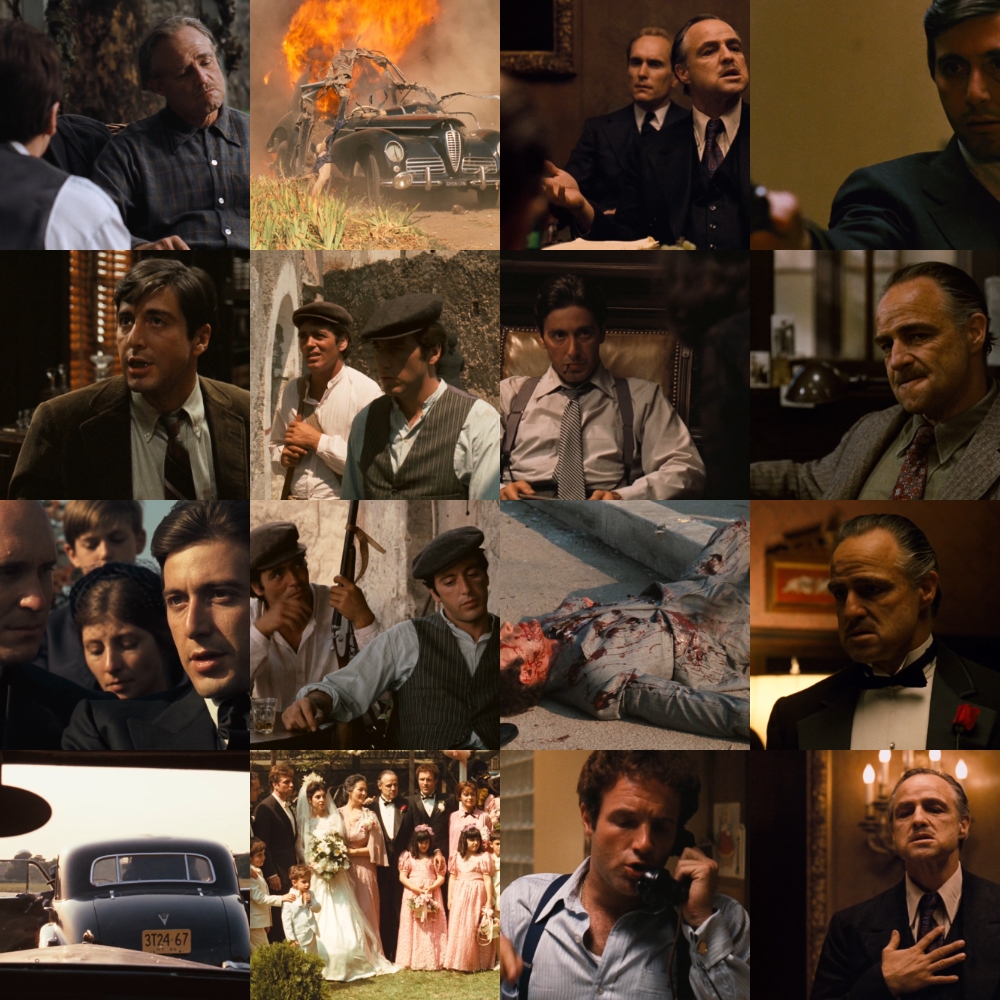
The Godfather Trilogy: Classic Film Artwork Honoring the Corleone Legacy
Few films in cinema history have achieved the cultural impact of The Godfather. Francis Ford Coppola’s masterpiece, released in 1972, redefined the gangster genre and elevated it to the level of high art. More than fifty years later, the story of the Corleone family continues to resonate with audiences worldwide, its themes of power, loyalty, family, and betrayal as relevant today as they were in 1972.
At NicDA, the Movie Mosaic collection pays tribute to this cinematic landmark through classic film artwork that captures the essence of the Corleone saga. While my collection features works exclusively from the first film—the one that started it all—the impact of that single movie has been enough to inspire multiple artistic interpretations that honor its legacy and its unforgettable characters.
Francis Ford Coppola’s Masterpiece: A Film That Changed Cinema
When The Godfather was released in 1972, nobody could have predicted the phenomenon it would become. Directed by the then-unknown Francis Ford Coppola, the film was an instant critical and commercial success. It won three Academy Awards, including Best Picture, and became the highest-grossing film of 1972.
Based on Mario Puzo’s bestselling novel, The Godfather tells the story of the Corleone family, a powerful Italian-American crime dynasty operating in post-World War II New York. At its heart is the patriarch Vito Corleone, portrayed with legendary gravitas by Marlon Brando, and his youngest son Michael, played by Al Pacino, whose transformation from reluctant outsider to ruthless don forms the emotional core of the film.
What makes The Godfather endure is not its violence, but its humanity. It is, at its heart, a story about family—dysfunctional, complicated, but ultimately bound by loyalty and love. This depth of emotion is what elevates it beyond the gangster genre and into the realm of timeless classic film artwork.
Coppola’s achievement is all the more remarkable considering the circumstances. He was a young director with limited experience, fighting studio interference at every turn. The studio wanted a contemporary gangster film set in the present day; Coppola insisted on the period setting that gave the film its distinctive character. He fought for Marlon Brando when the studio considered him box-office poison. He fought for Al Pacino when they wanted a more established star.
In the end, Coppola’s vision prevailed, and cinema was forever changed. The film not only launched the careers of Pacino, Robert De Niro (who would appear in the sequel), and countless others, but it also cemented Coppola’s place as one of the greatest directors of his generation.
The Corleone Family: Iconic Characters Remembered Forever
What makes The Godfather such fertile ground for movie tribute wall art is its gallery of unforgettable characters. Each member of the Corleone family is a fully realized individual, brought to life by extraordinary performances that have become part of our collective cultural memory.
Don Vito Corleone, played by Marlon Brando, is perhaps the most iconic figure in American cinema. His raspy voice, his regal bearing, his impossible-to-read expressions—Brando created a character so compelling that he remains the gold standard for screen performances. The opening scene, where he listens to requests on his daughter’s wedding day, establishing that he trades in favors and influence rather than mere money, is a masterclass in character introduction.
Michael Corleone, played by Al Pacino, undergoes one of cinema’s most powerful character arcs. He begins the film as a decorated war hero, a young man determined to stay separate from his family’s criminal enterprises. By the film’s end, he has become the new Don, his transformation complete in the chilling final sequence where he lies to his wife while consolidating his power.
These characters, and the actors who brought them to life, have become the subjects of countless film buff wall decor pieces. Their faces, their gestures, their iconic lines—”I’m going to make him an offer he can’t refuse”—have entered the cultural lexicon in a way that few films ever achieve.
From the wisecracking Sonny (James Caan) to the loyal Tom Hagen (Robert Duvall) and the tragic Fredo (John Cazale), every member of the Corleone family is a character worth remembering. They represent different facets of the human condition: ambition, loyalty, jealousy, redemption, and the weight of family obligation.
Limited Edition Artwork for Film Collectors
For collectors of fine art film print pieces, The Godfather represents the pinnacle of what cinema can achieve. A limited edition artwork inspired by this film is not just a decorative piece; it is a tribute to a work of art that has shaped the way we understand storytelling, character, and the power of visual narrative.
The works available through NicDA are limited edition art print pieces, each one a carefully crafted homage to the Corleone saga. Using the unique movie mosaic technique, each artwork captures the essence of the film through a meticulous arrangement of frames selected from key moments in the story.
For those seeking gallery wall art that combines cinematic nostalgia with contemporary visual craftsmanship, these pieces offer something truly distinctive. They are conversation starters, tributes to a bygone era of filmmaking, and reminders of the power of storytelling to transcend time and culture.
Why The Godfather Continues to Resonate
Part of what makes The Godfather so enduring is its exploration of universal themes. The tension between tradition and modernity, the weight of family obligation, the corrupting influence of power—these are themes that transcend the specific context of the mafia and speak to the human condition itself.
The film also captures a specific moment in American history, the post-war period when the country was experiencing unprecedented prosperity while also grappling with deep social changes. The Corleone family’s struggle to maintain its traditions while adapting to a changing world mirrors the larger American experience.
And then there is the beauty of the film itself. Cinematographer Gordon Willis earned the nickname “The Prince of Darkness” for his pioneering use of low-light photography, which gave the film its distinctive shadowy look. The production design, the costumes, the period detail—everything about The Godfather is a feast for the eyes.
It is this visual richness that makes the film such an ideal subject for movie collage art. Every frame is a potential work of art, every composition a potential masterpiece. The film is, in many ways, a series of paintings in motion.
Discover the Corleone Legacy in Movie Mosaic Art
If you are a fan of The Godfather, or if you appreciate classic film artwork that honors cinema’s greatest achievements, the Movie Mosaic collection offers something truly unique. These limited edition artworks transform the film’s most powerful moments into lasting visual tributes.
Explore the Movie Mosaic collection at NicDA and discover how the Corleone family’s story has been reimagined through the lens of digital film montage. Each piece offers a new way to experience a film that continues to captivate audiences more than fifty years after its release. The legacy of The Godfather lives on, not just in the memories of those who saw it in theaters, but in the artworks that continue to celebrate its enduring power.

