
WHAT IS MOVIE MOSAIC ART?
The Cinematic Technique Behind NicDA’s Artworks
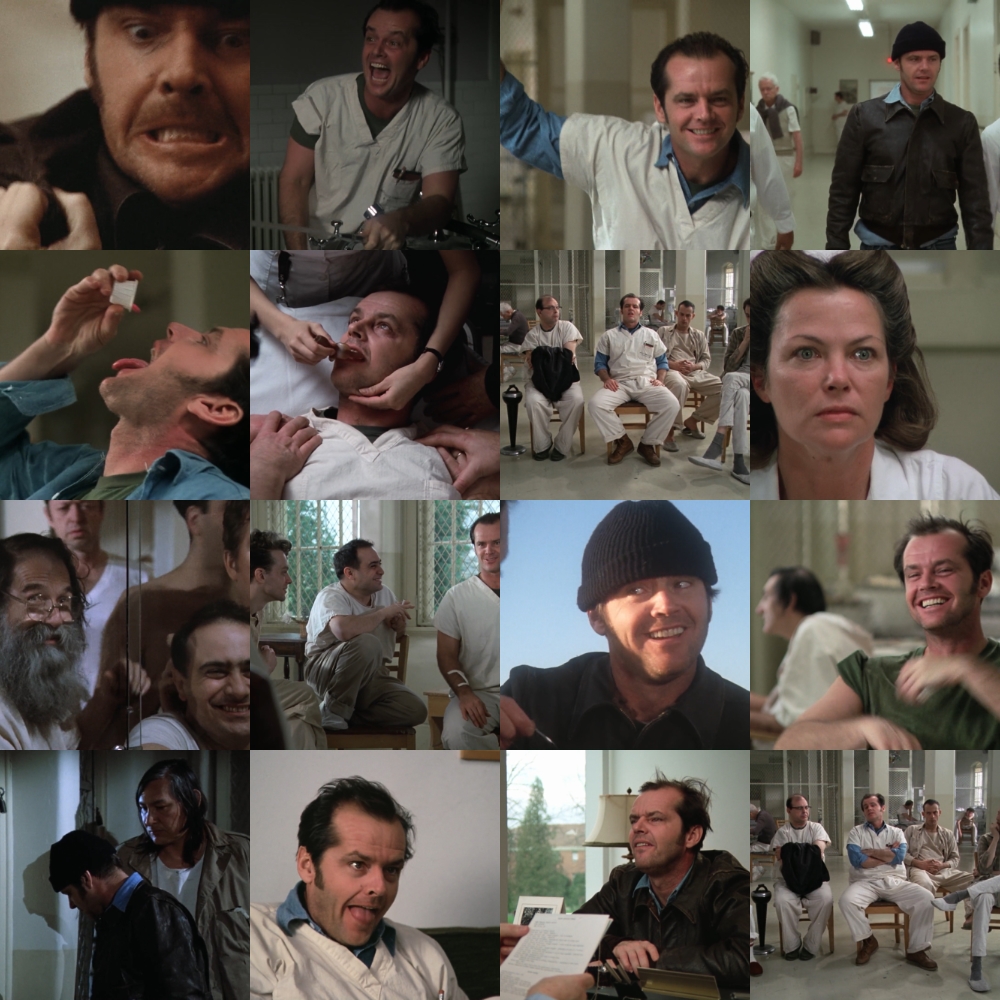
What is Movie Mosaic Art? The Cinematic Photo Collage Technique Behind NicDA
Cinema has the power to transport us to other worlds, to make us feel intense emotions, and to leave us with images etched in our memory forever. But what happens when those images become something more than memories? Movie Mosaic Art is the answer: an artistic technique that transforms entire films into unique works of art, combining hundreds of frames into a single visually striking composition.
At NicDA, each artwork in the Movie Mosaic collection represents months of work, thousands of images, and a deep connection to the cinema that has shaped generations. But what exactly does this technique involve? How is a piece of movie mosaic art created? And most importantly, why does this manual technique, without artificial intelligence, make all the difference?
What is Movie Mosaic Art?
Movie mosaic art is a visual creation technique that reinterprets iconic films through a digital collage composed of hundreds of frames extracted directly from the original film. Unlike a conventional poster or a standard digital print, each artwork is built from approximately 5,000 individual images, of which 400 are key frames manually selected from the film being reinterpreted.
This process, entirely manual and without the intervention of artificial intelligence, allows each artwork to tell a story within another story. The result is a piece of cinematic photo collage that works on two levels: up close, you discover the individual scenes that compose the work; from a distance, you instantly recognize the character or iconic scene that inspired it.
The Technical Process: Precision at Two Scales
The creative journey begins with the selection of the film. Not all films are suitable for this technique. NicDA chooses titles that have left a profound cultural mark, from 80s classics like Back to the Future and The Goonies, to masterpieces by directors such as Martin Scorsese, Quentin Tarantino, or Stanley Kubrick.
Once the film is chosen, the extraction work begins. Key frames are selected that represent emotional moments, iconic gestures, powerful visual compositions, or unforgettable dialogue. These frames become the pieces of the mosaic, each one a small memory of the film that, when viewed up close, reveals complete scenes.
The digital assembly requires millimeter precision. But what truly defines the technique is the dual-scale approach. Approximately 4,000 frames are extracted from the film as JPG images, from which the 400 most representative images are carefully selected. These are resized, color-corrected, and systematically arranged into a single composite image.
To prioritize the detail of the main character’s face and body over the background, two different mosaic scales are used within the same composition:
- Background mosaic size: 16.6 × 16.6 mm (60 modules per 100 cm)
- Main character face mosaic size: 8.33 × 8.33 mm (120 modules per 100 cm)
This means that the frames occupying the background space are larger, while those forming the character’s face and body are smaller, allowing for greater detail and precision in the most important area of the composition. This dual-scale technique creates a visual balance where the character stands out with remarkable clarity while the background maintains its mosaic texture and character.
The process relies on layered compositions, controlled transparencies that enhance either the background or the main character depending on the composition, precise pixel-density management, and manual adjustments using custom Photoshop actions. This ensures accuracy, visual coherence, and a high-resolution final result. No Midjourney or any other Artificial Intelligence is used in this process.
The Viewing Experience: Finding the Perfect Balance
One of the most important aspects of movie mosaic art is understanding how it is meant to be viewed. The artwork is designed to be appreciated from two different distances, and finding the right balance between them is key to the creative process.
From a distance, the portrait of the main character or the iconic scene becomes clear. The overall composition reveals itself in all its visual power, creating an immediate impact that captures the essence of the film. This is the “big picture” view, where the artwork functions as a striking piece of wall art for any space.
Up close, however, a different experience unfolds. The individual frames and scenes from the film become visible, allowing viewers to rediscover the story scene by scene. It is at this distance that the meticulous craftsmanship becomes apparent, revealing the hundreds of carefully placed frames that compose the whole.
This dual experience requires a delicate balance. It is not possible to appreciate the 5K details of the individual frames both from far away and up close. Similarly, the main image may appear somewhat blurry or with lower resolution when viewed from very close, but that is precisely because I seek that balance and the pleasure of appreciating it from both distances. I hope that each day, without consciously intending to, you continue to discover new details that remind you of this excellent film.
Depending on the distance and the light, different levels of detail are revealed and perceived. This piece not only stands out for its meticulous design, but also for its ability to capture the essence of the movie in a single composition. Through these artworks, I wish to pay tribute to these iconic films and performances that redefined cinema, capturing unforgettable characters and impactful narratives that continue to resonate deeply within popular culture.
More Than an Image: A Visual Experience
The movie mosaic art transforms each piece into film collage artwork ideal for those seeking something beyond decoration. It is art with history, art with meaning, art that celebrates cinematic culture from a contemporary perspective. Each piece is both a tribute to cinema and a unique collector’s artwork, preserving iconic characters, unforgettable stories, and the visual language that continues to inspire generations of film fans.
The experience changes with each viewing. Depending on the angle, the lighting in the room, and the distance from which it is observed, the artwork reveals different layers of meaning. It is a dynamic piece that evolves with the viewer’s perspective, creating a lasting connection between the artwork, the space it occupies, and the person who contemplates it.
The Movie Mosaic Collection at NicDA
At NicDA, Movie Mosaic Art is available in a limited edition of 8 copies per artwork. Each piece is printed on premium 500 g/m² vinyl canvas using large-format six-color UV technology on a Durst Rho P10 printer, delivering high image definition, smooth color transitions, and durable outdoor performance. The final size is 110 × 110 cm, with an additional 5 cm black border on each side for easy mounting on a stretcher bar.
The collection currently includes 28 iconic films, each represented through multiple artistic interpretations. From Pulp Fiction and The Godfather to Fight Club and The Shining, each artwork captures the essence of the film that inspired it in a way that no conventional poster could achieve.
Movie Mosaic Art does not just decorate walls. It tells stories. It preserves moments. And it transforms the way we experience cinema within our homes. It is, ultimately, the most sophisticated way to bring your passion for film into your interior decor.
Discover the full collection on the Movie Mosaic page and find the artwork that resonates with your favorite film. Each piece is a window into cinema history, a conversation piece, and a treasure for any lover of the seventh art.
