
MARTIN SCORSESE:
Iconic Movie Scenes Transformed into Cinematic Wall Art
Martin Scorsese: Iconic Movie Scenes Transformed into Cinematic Wall Art
Few directors in the history of cinema have achieved the cultural impact of Martin Scorsese. Over a career spanning more than five decades, he has created some of the most iconic, influential, and unforgettable films ever made. From the gritty streets of 1970s New York to the high-stakes glamour of Las Vegas, Scorsese’s films explore themes of violence, morality, ambition, and the complexities of human nature with an intensity that few directors can match.
At NicDA, the Movie Mosaic collection pays tribute to Martin Scorsese’s extraordinary body of work through iconic movie scenes art that captures the essence of his most celebrated films. Each artwork transforms key moments from Scorsese’s masterpieces into unique cinematic wall art, preserving the visual language and emotional power that define his filmmaking.
The Master of Modern Cinema
Martin Scorsese was born on November 17, 1942, in New York City, and his upbringing in the streets of Manhattan would go on to influence much of his work. His early fascination with cinema led him to pursue a career in filmmaking, and he quickly gained recognition as one of the most influential directors in the history of cinema. Associated with the New Hollywood era of the 1970s, Scorsese pushed the boundaries of cinematic storytelling, creating films that were both critically acclaimed and culturally significant.
What sets Scorsese apart is his ability to combine visceral storytelling with visual artistry that rivals traditional painting. The director has often taken inspiration from art in the traditional sense, with scenes in films like Mean Streets influenced by the work of Caravaggio, and a moment in Shutter Island directly referencing Gustav Klimt’s famous painting The Kiss. This connection to fine art makes his films particularly suited to transformation into classic film artwork.
Throughout his career, Scorsese has collaborated with some of the greatest actors in cinema history, including Robert De Niro, Leonardo DiCaprio, and Joe Pesci. These collaborations have produced performances that have become legendary, moments of cinematic magic that continue to inspire audiences and artists alike.
Taxi Driver: A Dark Masterpiece
One of Scorsese’s earliest and most significant successes was Taxi Driver (1976), a dark and provocative exploration of urban alienation and violence. The film, starring Robert De Niro as the troubled Travis Bickle, captured the anxiety and decay of 1970s New York like no film before or since. It won the Palme d’Or at the Cannes Film Festival and remains a landmark of American cinema.
The visual language of Taxi Driver is extraordinary. The neon-lit streets, the steam rising from manholes, the iconic shots of De Niro in his taxi—these images have become part of our collective visual memory. In Cannes, a 133m² mural pays tribute to De Niro’s character, illustrating the film’s enduring impact on popular culture. For those seeking gallery wall movie art, Taxi Driver offers a wealth of powerful imagery.
Goodfellas: A New Kind of Gangster Film
When Scorsese released Goodfellas in 1990, he redefined the gangster genre. The film, based on the true story of mobster Henry Hill, offered a visceral, ground-level view of organized crime that was unlike anything audiences had seen before. The film’s famous tracking shot through the Copacabana nightclub, the “Funny how?” scene, and Ray Liotta’s unforgettable narration all combined to create a masterpiece of modern cinema.
The phrase “As far back as I can remember, I’ve always wanted to be a gangster” has become one of cinema’s most quoted lines, and the film’s influence can be seen in everything from The Sopranos to contemporary crime dramas. For collectors of film wall art decor, Goodfellas offers countless iconic moments worth preserving.
The film’s success cemented Scorsese’s reputation as a master of crime cinema and began a trilogy of gangster films that would include Casino (1995) and The Departed (2006). Each film offered a different perspective on the criminal underworld, exploring themes of greed, loyalty, and the corrupting influence of power.
Casino: High-Stakes Glamour and Violence
Scorsese’s Casino, released in 1995, transported audiences to the glittering, dangerous world of 1970s Las Vegas. Starring Robert De Niro, Sharon Stone, and Joe Pesci, the film explored the mob’s control of the city’s casinos and the violent, high-stakes world that accompanied it.
Visually, Casino is one of Scorsese’s most stunning films. The neon lights, the lavish interiors, the period costumes—every frame is a feast for the eyes. The film’s central visual motif, a single die held between fingers, has become an iconic image that captures the film’s themes of chance and control.
For those seeking movie tribute wall art that captures the glamour and danger of Scorsese’s vision, Casino offers a visual language unlike any other.
The Wolf of Wall Street: Excess and Ambition
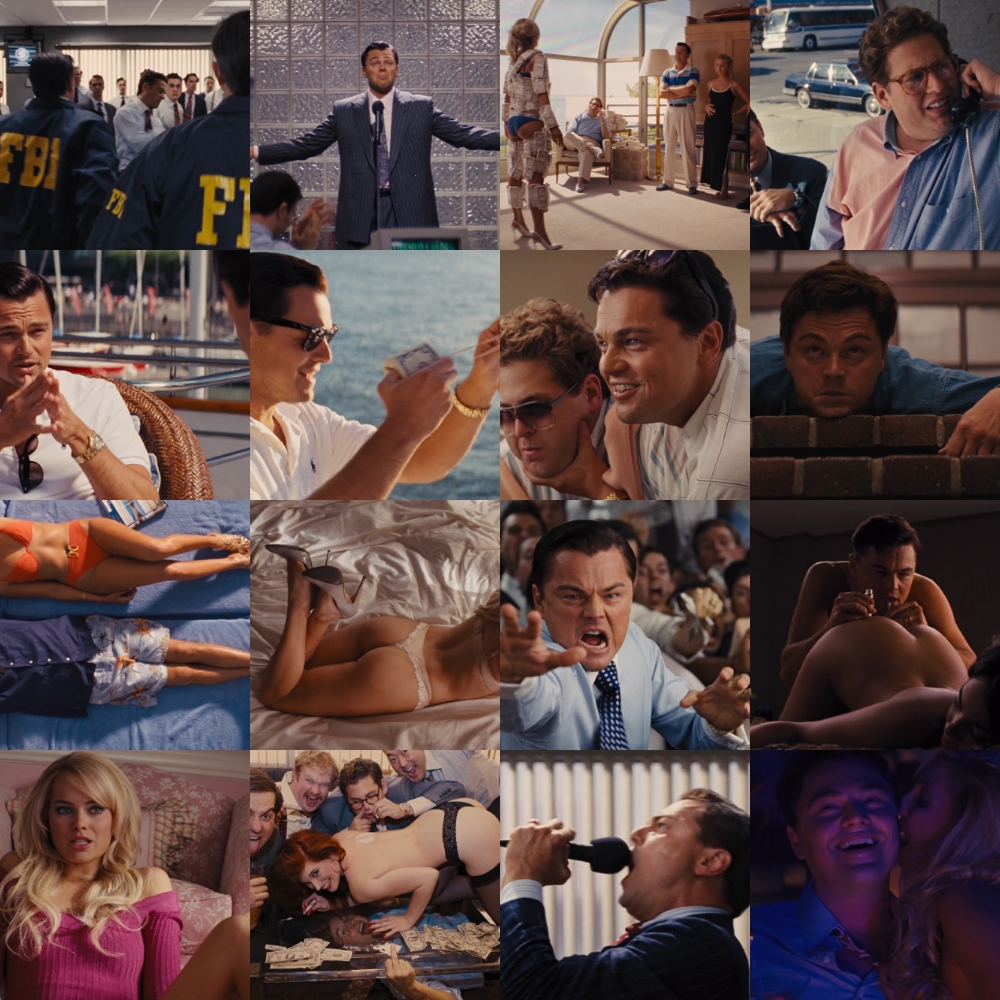
In 2013, Scorsese delivered his most exuberant and controversial film to date. The Wolf of Wall Street, starring Leonardo DiCaprio as the real-life stockbroker Jordan Belfort, was a whirlwind of greed, excess, and dark comedy. The film pushed boundaries with its unflinching portrayal of corruption and hedonism, earning critical acclaim and a passionate fan base.
The film’s visual style matches its energy: rapid editing, bold colors, and compositions that capture the chaos and thrill of Belfort’s world. Scorsese collaborated with DiCaprio to create a performance that ranks among the actor’s finest, and the film has become a cultural touchstone for a generation.
The Movie Mosaic collection includes multiple works inspired by The Wolf of Wall Street, each capturing key moments from this modern classic. These pieces celebrate the film’s energy and ambition through the meticulous movie collage art technique.
Limited Edition Artwork for Scorsese Fans
For collectors of film fan art print pieces, Martin Scorsese’s filmography offers an unparalleled wealth of inspiration. His films are not just movies; they are works of art that have shaped the way we understand cinema, character, and visual storytelling.
The Movie Mosaic collection at NicDA offers limited edition artworks that transform Scorsese’s most powerful moments into lasting visual tributes. Each piece captures the essence of the film through a meticulous arrangement of frames selected from key scenes, allowing viewers to rediscover the story scene by scene.
Explore the Movie Mosaic collection and discover how Martin Scorsese’s cinema has been reimagined through modern movie art print pieces. Each artwork is a tribute to a director whose films have defined what cinema can achieve, capturing the unforgettable characters and impactful narratives that continue to resonate deeply within popular culture.

